





New approach to sustainable drainage set to reduce flood risk and clean up rivers
A consistent approach to sustainable drainage systems is set to be incorporated into new developments in England. New developments and the environment will benefit from a reduced risk of flooding and pollution.
The recommendation to make sustainable drainage systems mandatory to new developments in England is the result of the Government’s Sustainable drainage systems review on January 10 2023. This will reduce the risk of surface water flooding, pollution and help alleviate the pressures on our traditional drainage and sewerage systems.
New developments can inadvertently add to surface and sewer flood risk by covering permeable surfaces like grassland and soil that would otherwise assist in dealing with heavy rainfall.
The new approach to drainage will ensure sustainable drainage systems are designed to reduce the impact of rainfall on new developments by using features such as soakaways, grassed areas, permeable surfaces and wetlands. This reduces the overall amount of water that ends up in the sewers and storm overflow discharges. Certain features such as tanks and water butts also allow for water reuse and reduce pressures on water resources.
Following publication of the review, regulations and processes for the creation of sustainable drainage systems at new developments will now be devised, through the implementation of Schedule 3 to the Flood and Water Management Act 2010. Implementation of the new approach is expected during 2024.
Environment Minister Rebecca Pow said: "Our traditional drainage systems are under increasing pressure from the effects of climate change, urbanisation and a growing population. The benefits of sustainable drainage systems are many – from mitigating flood risk by catching and storing surplus water and reducing storm overflow discharges, to enhancing local nature in the heart of our developments and helping with harvesting valuable rain water. Taking a more consistent and effective approach to sustainable drainage systems will improve the resilience of our drainage and sewer infrastructure, while reaping these broader benefits."
Schedule 3 provides a framework for the approval and adoption of drainage systems, a sustainable drainage system approving body within unitary and county councils, and national standards on the design, construction, operation, and maintenance of sustainable drainage systems for the lifetime of the development. It also makes the right to connect surface water runoff to public sewers conditional upon the drainage system being approved before any construction work can start.
Government will now give consideration to how Schedule 3 will be implemented, subject to final decisions on scope, threshold and process, while also being mindful of the cumulative impact of new regulatory burdens on the development sector. This will include a public consultation later in 2023, which will collect views on the impact assessment, national standards and statutory instruments.
This article is based on a press from the Department for Environment, Food & Rural Affairs and Rebecca Pow MP entitled "New approach to sustainable drainage set to reduce flood risk and clean up rivers" January 20 2023.
[edit] Related articles on Designing Buildings
Featured articles
Check out some of the best features and news from Designing Buildings as well as key stories from around the web.
Leaders in Learning for Practice Network

Call for conservation leaders in learning to register interest in new network.
The importance of early engagement

Construction lessons from the Trillium HealthWorks Experience Centre.
Mayors are to be given planning call in powers

Mayors across England will be able to make the most important planning decisions.

The Master Builder: William Butterfield and his times. Book review.

Why construction can't afford to ignore the skills gap.
Building Safety Regulator, 19 August

Gill Kernick appointed Independent Chair of Residents’ Panel.
Connecting knowledge, technology and conservation
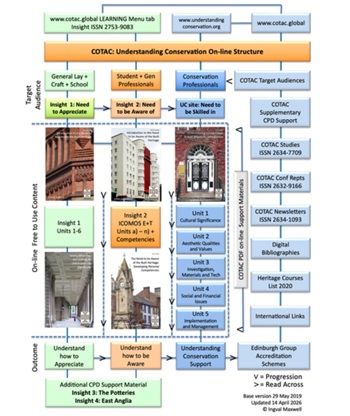
Building competence for the future of built heritage.
Building Regulations and Building Safety Act
CIOB publishes free advice for non-domestic clients.
Building Safety Newsletter from MHCLG.
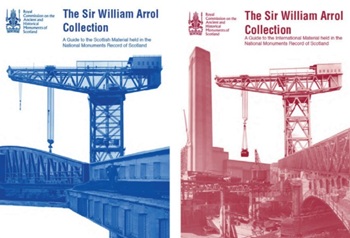
An extraordinary record of steel engineering worldwide.

Households living near new pylons to save on bills.

ECA warns growth must not outpace grid capacity or skills.
Comments
[edit] To make a comment about this article, click 'Add a comment' above. Separate your comments from any existing comments by inserting a horizontal line.